
How to walk your dogs and protect breeding Curlews
The Invisible Threat: Why Disturbance Matters to Curlews
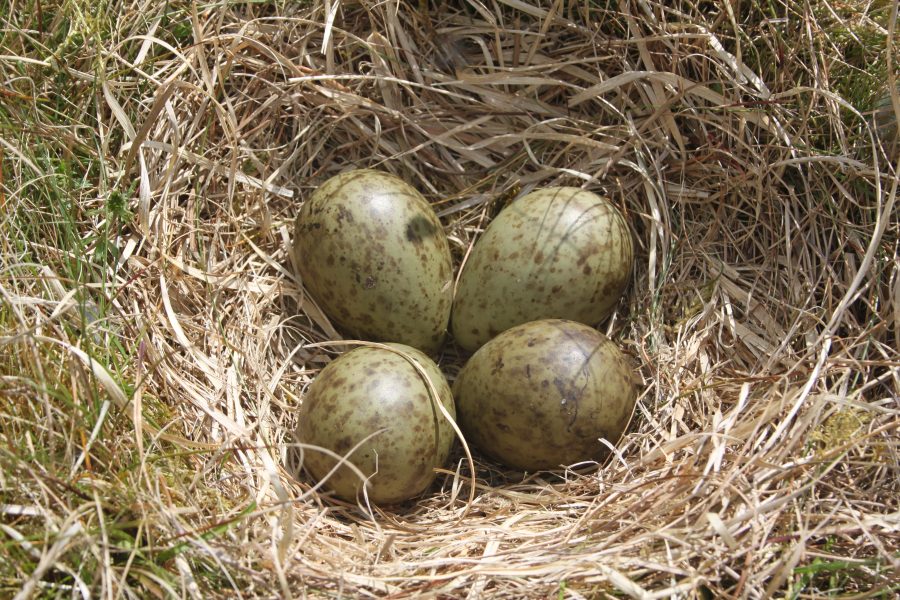
Every spring, Curlews return to the same fields and moors where they have nested for generations. They scrape a shallow hollow in the ground, lay their eggs among grasses and rushes, and trust that camouflage will keep them safe. It is a strategy that has worked for thousands of years. The modern world has changed the rules.
Predators remain one of the greatest dangers to Curlews, but another threat is growing quietly alongside them: disturbance.
Unlike predators, disturbance often comes from people who care deeply about nature. Walkers, runners, cyclists, photographers and dog owners all head outdoors for exactly the same reason Curlew Action exists to enjoy the natural world. Yet even well-intentioned visits can have unintended consequences for wildlife.
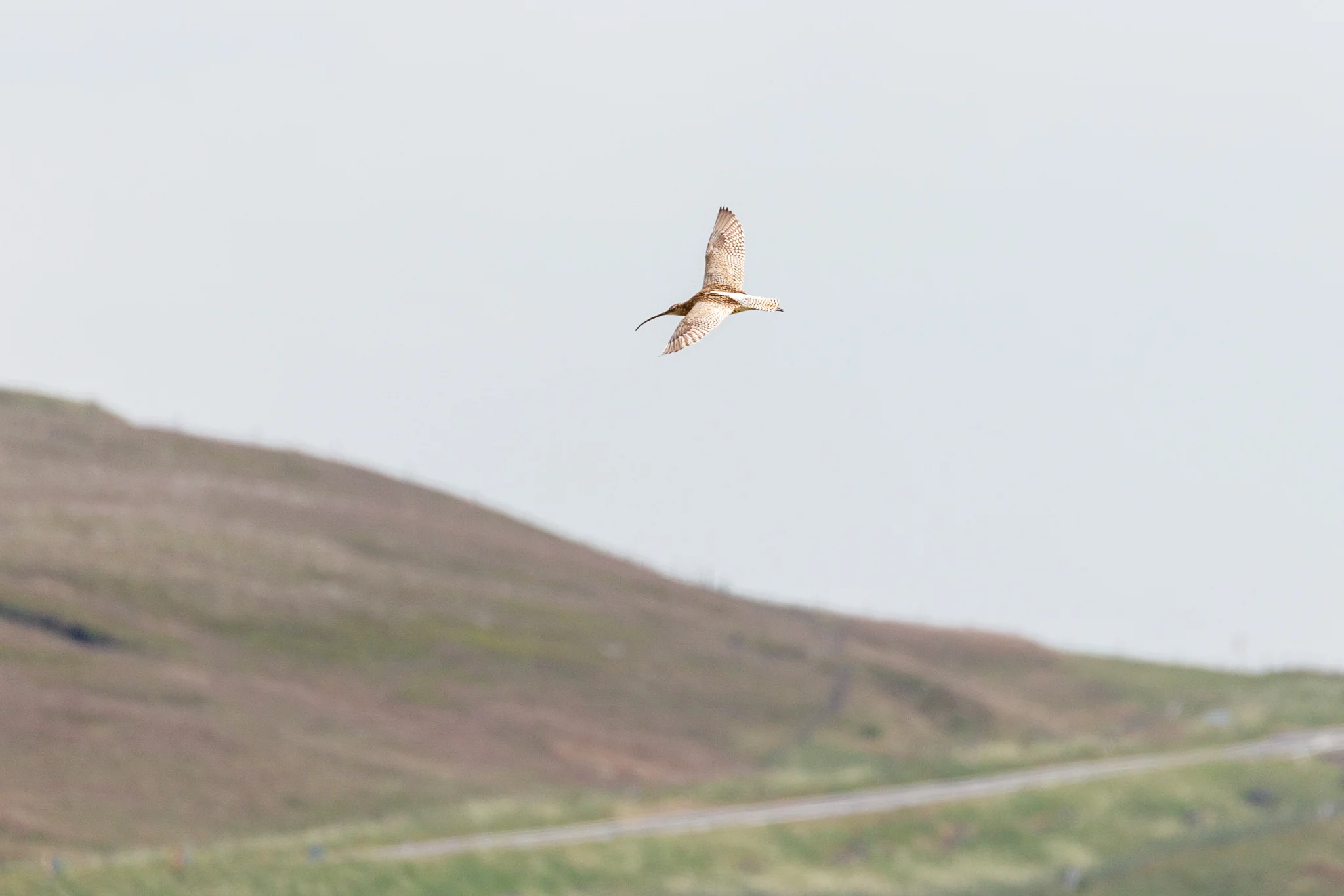

Disturbance isn't always obvious
One of the most important messages from our recent Curlew Action webinar was that disturbance is often invisible. A dog does not need to catch a bird to cause harm.
A Curlew sitting on eggs sees an approaching dog very differently from its owner. To the bird, it resembles a predator. Even if the dog simply runs past, the Curlew may leave its nest, exposing eggs or chicks to cold, heat or predators. Chicks may scatter, wasting precious energy or becoming separated from their parents.
Research presented by Dr Becky Thomas of Royal Holloway, University of London found that dogs walked off leads increased the area disturbed by around 21% compared with walkers alone because dogs naturally roam far beyond the paths their owners follow. On average, dogs were about 20 metres from their owners during walks, greatly expanding the area wildlife experiences as disturbed.
Importantly, most owners had no idea this was happening.
It's not about blaming dog owners
That was perhaps the strongest message of the webinar. Every speaker agreed that confrontation rarely changes behaviour. Most people walking their dogs simply want fresh air and exercise. Many would happily adjust what they do if they understood why it mattered.
The Thames Basin Heaths Partnership has shown what can be achieved through positive engagement rather than conflict. Their "Heath and Hounds" programme works directly with dog owners, offering advice, alternative places to walk, community events and simple guidance rather than criticism. They even celebrate responsible behaviour through their "Heath Heroes" campaign, recognising owners who are already doing the right thing. Instead of saying, Don't do this, they explain why it matters.
.
.
Farmers see both sides
Yorkshire farmer Leigh Weston perhaps summed up the challenge best. Her farm at Malham welcomes over 100,000 visitors every year. She understands why people come; after all, she feels privileged to live there herself. But she also sees the consequences when recreation and wildlife collide. Dogs chasing livestock can have devastating consequences, but equally worrying is what happens to breeding Curlews hidden in fields that visitors never even know are there. Leigh's answer is conversation.
Rather than confrontation, she prefers stopping to explain what Curlews are doing, why they are vulnerable, and how small changes in behaviour can make a huge difference. Most people, she says, respond positively once they understand the situation.
.
.
We all share these landscapes
Perhaps the most encouraging conclusion from the discussion was that protecting wildlife does not mean excluding people. We need places where dogs can run freely. We need places where families can enjoy nature. But we also need areas where vulnerable wildlife can breed successfully. Sometimes that simply means keeping dogs close during the breeding season. Sometimes it means sticking to paths. Sometimes it means choosing an alternative walk for a few weeks while birds are nesting. These are small acts.
For a Curlew trying to raise four chicks in a landscape full of hazards, they can make all the difference.
.
.
A little consideration goes a long way
Curlews already face enormous challenges: habitat loss, agricultural intensification, predation and increasingly unpredictable weather. Disturbance is only one part of a much larger picture. But it is also one part that every one of us can help reduce. This is not about restricting people's enjoyment of nature.
It is about recognising that we share these landscapes with wildlife whose needs are often hidden from view. Most Curlews are never seen by those who pass through their breeding grounds. If we behave as though they are there anyway, they have a much better chance of remaining part of our countryside for generations to come.