
What the Hills Ask of Us
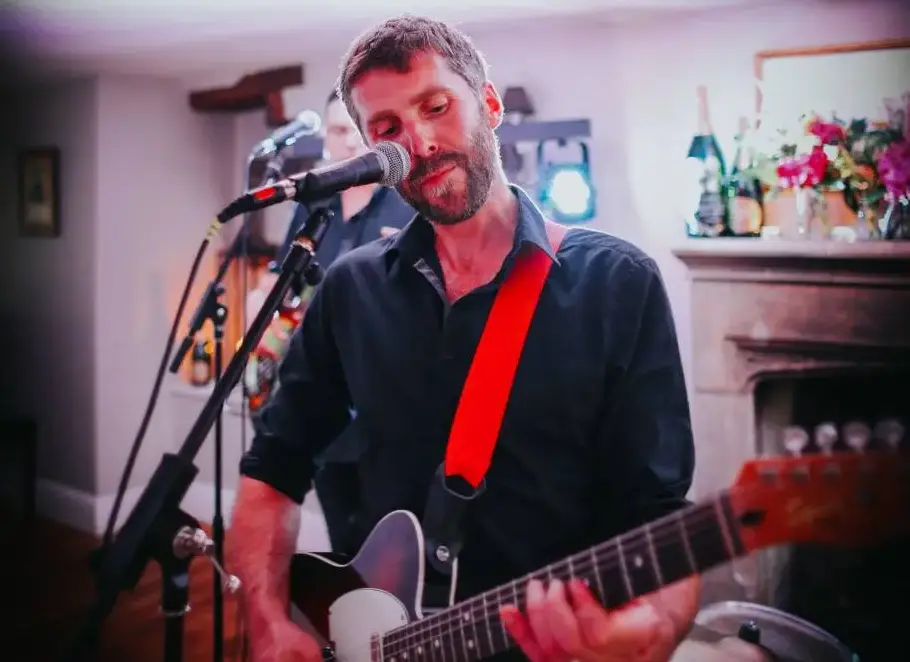
Lee Schofield is an author, musician and conservationist. I will be interviewing him on Saturday evening as part of the European Curlew Fieldworker Workshop at Lancaster University (6–8 February). We will discuss his book, his valiant efforts to rewild an area of the Lake District, the personal cost of caring, and how nature influences his music. Lee will also play some of his songs. It will undoubtedly be a special evening.
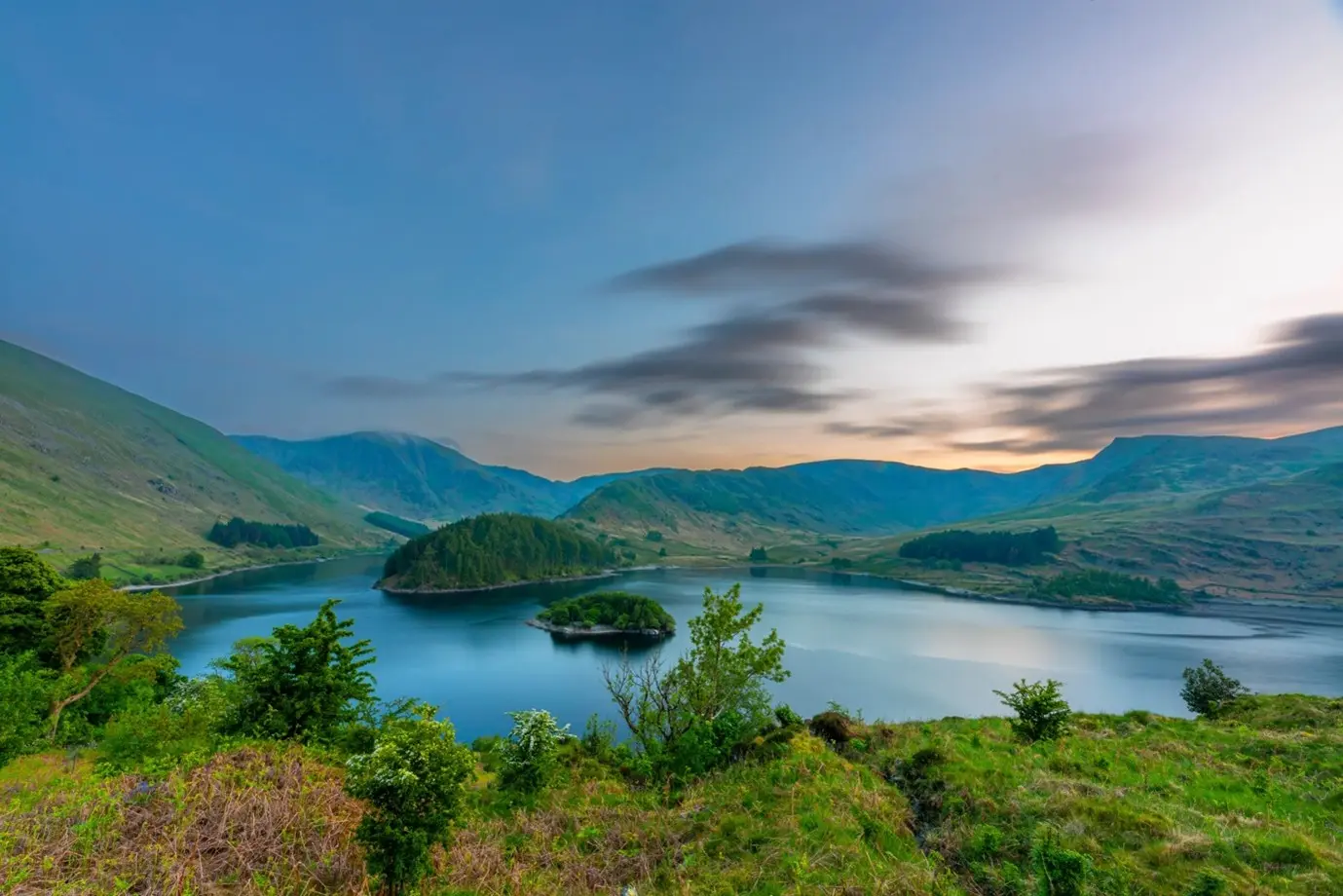
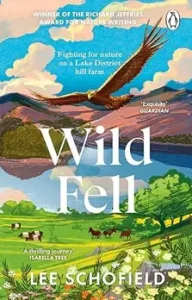 Wild Fell is a book about restoration, resilience, hope, struggle and staying the course, and it deservedly won the prestigious Richard Jefferies Award. It details his journey to restore damaged upland landscapes in the Haweswater area of the Lake District where he worked as site manager for the RSPB. It is about the joy of restoration, but also the pain that comes with caring on the margins of change. It is about landscape and personal reshaping. Professor Barry Sloan, Chair of the judges, wrote:
“Much of the appeal of Wild Fell stems from the fluency with which Lee Schofield conveys the intimate knowledge and deep feeling he has developed for the Haweswater landscape, his own personal commitment to enriching and developing it, and the unabashed delight he takes from each sign of progressive change. It is a highly personal story as well as a thoroughly documented account of a complex and ongoing conservation project, a combination which should earn it the wide readership it deserves.”
 I don’t know the Lake District very well, but back in 2015 I went to see the last Golden Eagle that lived alone on the dark crags above Haweswater Reservoir. At the time, I didn’t realise how lucky I was to watch it soar above me, because by 2016 it had gone, presumed dead somewhere in the mountains and thus ending the history of breeding Golden Eagles in England. It was deeply emotional to see it floating in skies where none would join it. After its mate had died in 2004, it lived alone for over a decade, dying at around 25 years old.
I can still remember the walk to the crags, the wheatears and redstarts brightening the track, and the buffeting cold wind that brought the eagle into view. I didn’t know Lee back then, but he must have been working nearby. When Wild Fell came out in 2022, I, along with many others, was deeply moved by the telling of his professional and personal journey.
Lee writes from a heart that has felt both the joy and the pain of working in frontline conservation. He understands what has been lost, and what it feels like to commit to a vision of recovery. That is a space many of us in Curlew conservation know well. Spend enough time with a species or a landscape and it gets under your skin. Whether you like it or not, you become part of its future, responding to the demand that we take on responsibility and act. I know from reading Lee’s book that we share these emotions.
He writes of hills that “remember what has been taken from them”. Silence is not a sign of forgetfulness; emptiness screams loudly about how our priorities and behaviours have changed and tells of policy decisions made decades ago. So many losses can be emotionally draining, but Lee frames his work more as a calling than a career choice. “I stayed because the land asked me to.”
By responding to that demand, his sense of identity and resilience are sometimes pushed to their limits, and much of his sense of self becomes bound up with the fate of the land. Setbacks from flooding, criticism, honest mistakes, political pressure and hostility from parts of the local community all feel deeply personal. He writes honestly about loneliness, self-doubt and the strain of being a visible representative of change in a place where change is often resisted by those who feel they have a greater understanding of, and claim to, the land.
I particularly admire that Wild Fell does not portray rewilding as conflict-free. It is woven through with the social and cultural challenges of change in a cherished rural landscape. Lee explores tensions between conservation goals and traditional hill farming, and the resistance that can arise when new approaches challenge long-held local values. Throughout, the narrative is both a celebration of the land’s wild beauty and a candid account of the personal and professional trials of working for nature amid opposition. He felt the pain of being an outsider and of not being welcomed.
At the same time, daily immersion in the seasons, weather, wildlife and slow ecological processes gave him a sense of meaning and belonging that counterbalanced the stress. Watching rivers recover offered quiet moments of hope that reaffirmed his convictions.
Lee was one of the first to articulate what is now spoken about openly: ecological grief. It enters quietly, not through drama, but as an accumulation of small failures and losses. It seeps into you. Ecological grief exists because we care; it is a natural part of working with nature today. We will address this directly at the Fieldworker Workshop, where Matt Trevelyan from Nidderdale and Rachel Taylor from the BTO will lead a special session in which everyone can contribute. As Matt wrote to me:
“We often misunderstand grief. I’m quite sure it is necessary to acknowledge pain and loss in order to feel fully alive, to feel joy, and to be a resilient activist. In general, I have always thought it sensible to take the Emma Goldman approach – to keep dancing, in the context of extinction and despair.”
Ultimately, Wild Fell shows conservation as a transformative but costly vocation. It gives Lee purpose, humility and a deeper connection to place, but it also asks him to carry grief, conflict and responsibility. As a contribution to a workshop on Curlews, I can’t think of a more fitting evening.