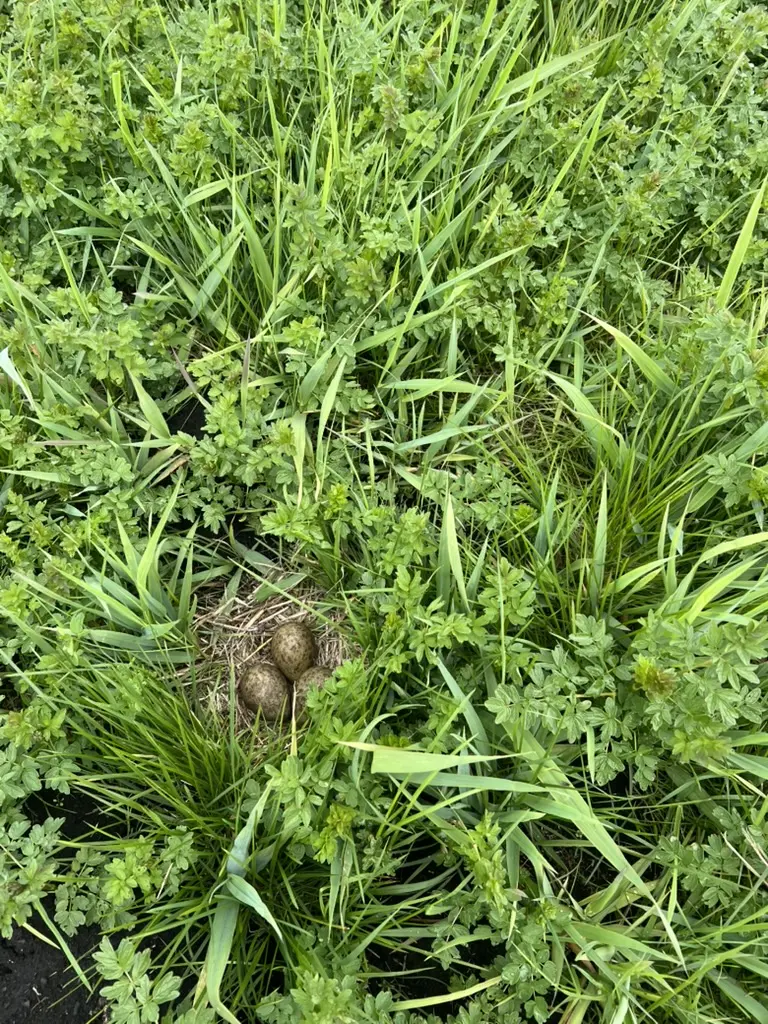
The Dümmer Special Protection Area (SPA) in Lower Saxony spans 12,000 acres and is one of the most important wetland landscapes for breeding waders in Germany and is heralded as the jewel in the crown for wader conservation. Here, we met Andrèas Barkow, project manager for the Life Godwit Flyway Project and Marcel Holly, head of the Dümmer Nature and Environmental Protection Association (NUVD) and a partner in the LIFE Godwit Flyway Project. Thank you very much for such a fascinating visit.
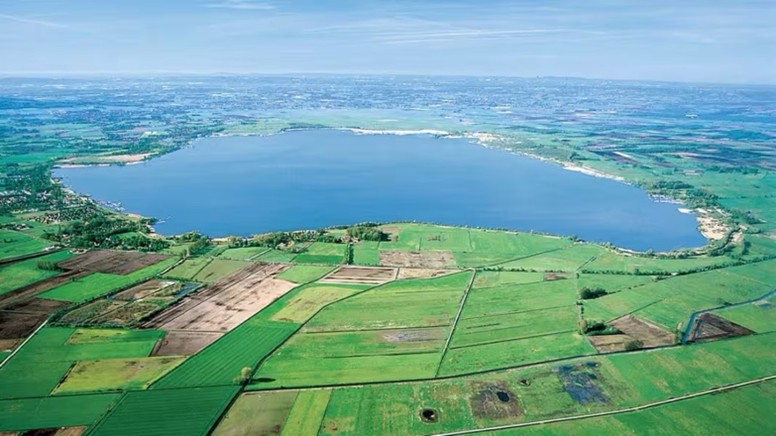
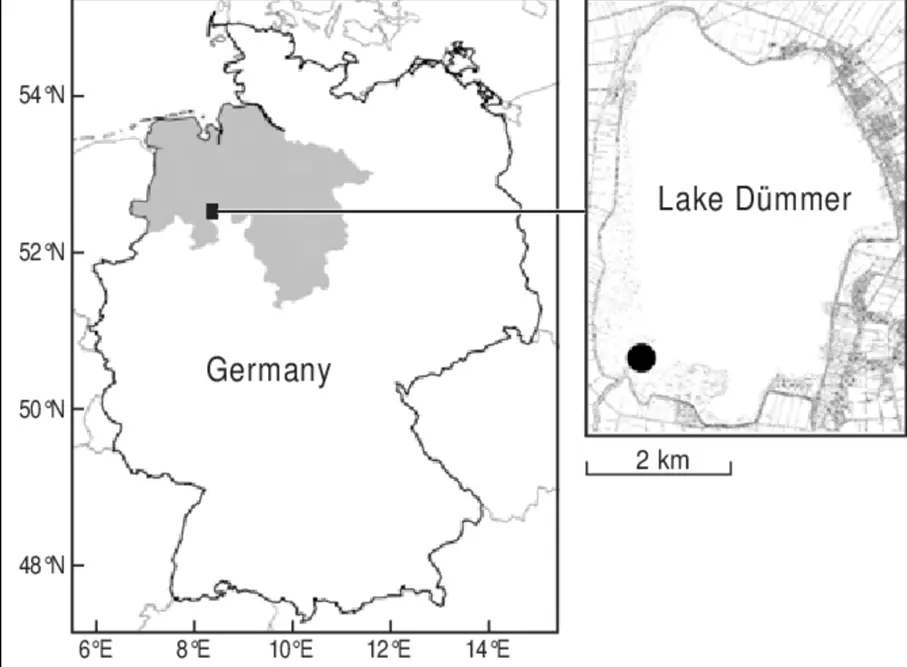
Copyright: Mattias Emmrich, showing the location of Dümmer Lake in the state of Lower Saxony
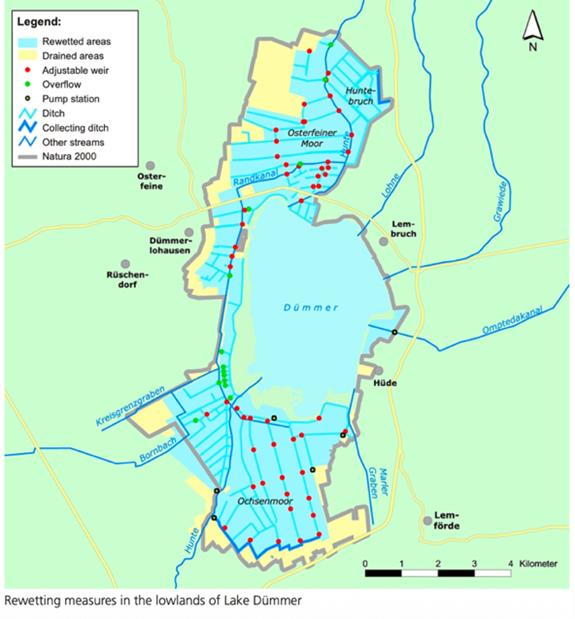
Curlews thrive here amongst vast wet grasslands and shallow floodplains, where decades of focussed management are reversing the decline of other species, too, such as Black-tailed Godwit, Lapwing, Redshank and Snipe. The project also shows the power of purchasing land, as Andrèas explained, “We have access and authority to manage this land in the way birds need to have it, and this is a unique situation here.” This is a landscape where waders come first.
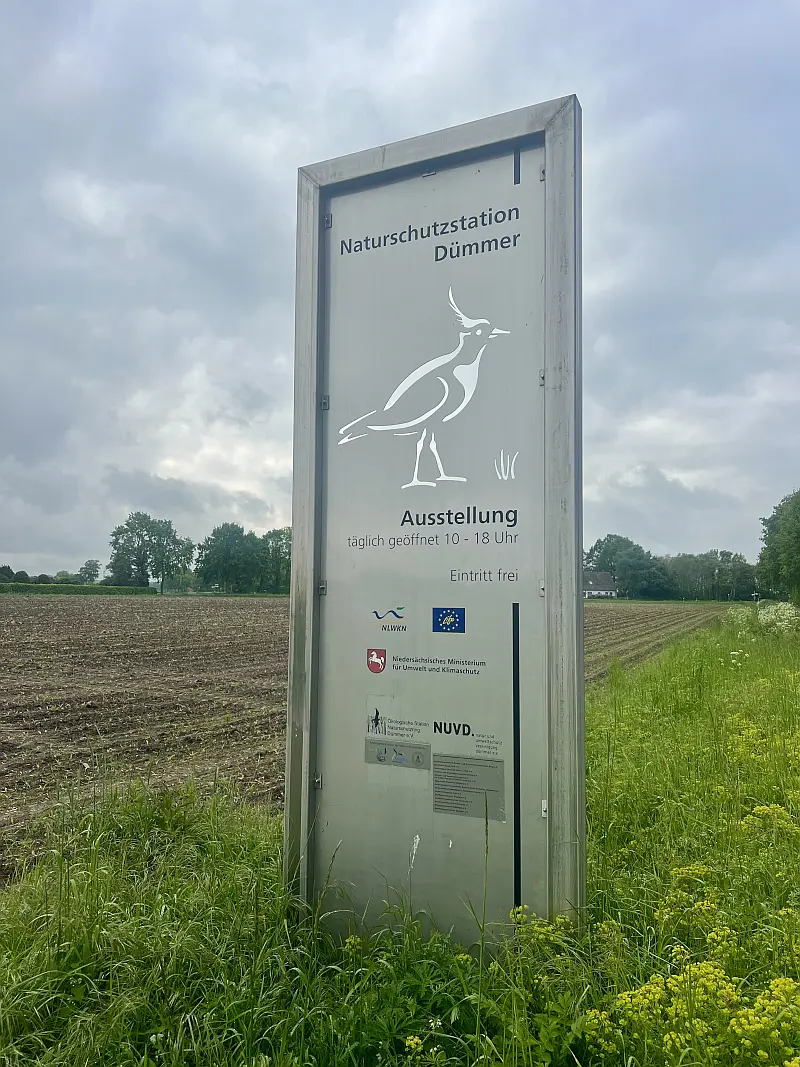
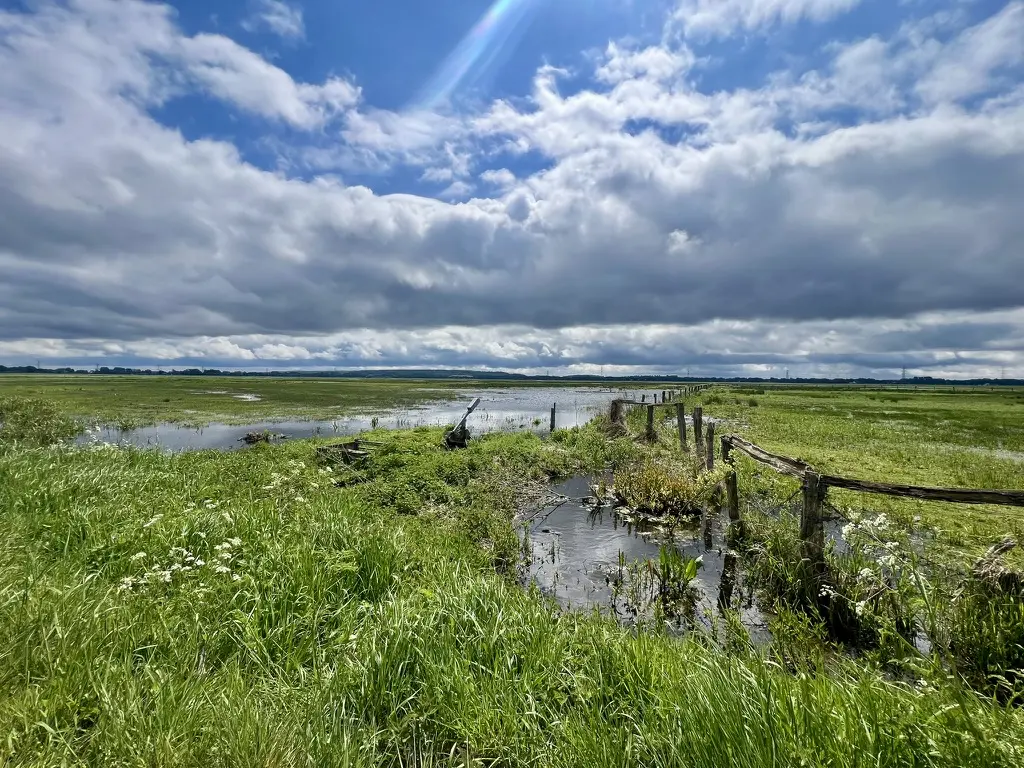
This region has been reshaped through successive EU LIFE-funded projects, and it is this focus which has helped bird populations recover. But it has also revealed just how interwoven modern wader conservation has become. In this watery, controlled landscape, habitat creation and restoration, predator management, farming, tourism and public expectations create unending complexity.
EU Life
The work at Dümmer began in the 1980s and has been expanded with EU LIFE projects in the late 1990s and now continues under the LIFE Godwit Flyway project led by Heinrich Belting and his team. What is especially striking is how international the work has become, linking partners in Portugal and The Gambia to help protect migratory birds throughout their annual journeys.
The results have been extraordinary. Black-tailed Godwit numbers at Dümmer have risen from around fifty breeding pairs in 2000 to approximately 250 pairs today. Eurasian Curlew numbers have reached around 100–110 breeding pairs in 2025, while Redshanks have returned from local extinction to roughly 200 pairs. Lapwings have increased from around fifty pairs to more than a thousand, although this year’s cold weather and flooding affected breeding success. Most encouraging of all, fledging rates are now often high enough to sustain populations, something increasingly rare across Europe.
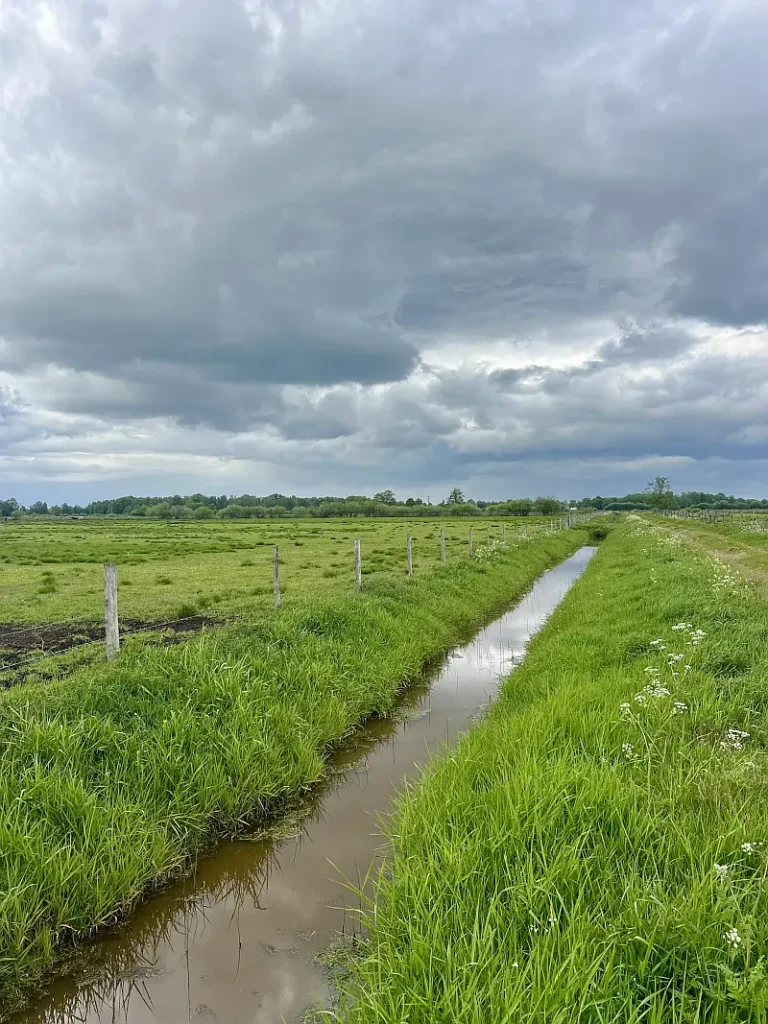
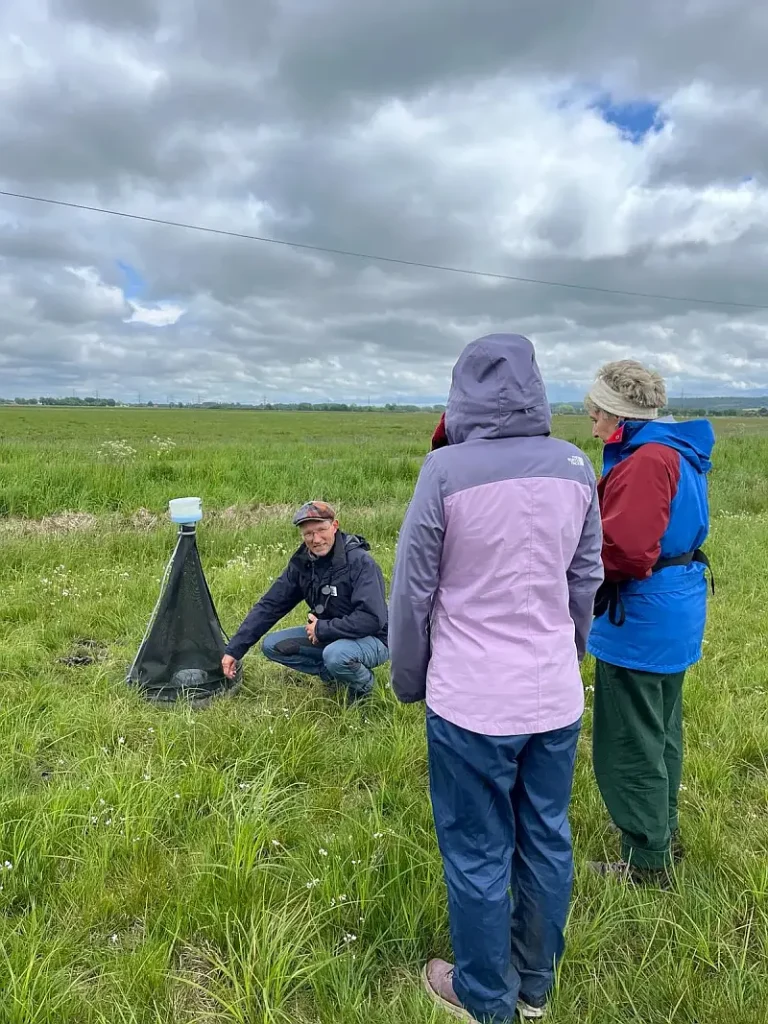
Much of this success comes down to water. The Dümmer SPA surrounds a shallow lake and includes thousands of hectares of wet grassland where water levels can be carefully managed throughout the breeding season. Drainage ditches once designed to dry land for agriculture are now used to hold water in the meadows for breeding birds. Scrub, reeds, trees and hedgerows are removed to maintain the open landscapes waders need, and the insect population is assessed for food availability.
This transformation has taken decades and relied on substantial funding, strategic land purchase and long-term planning. Farming remains at the heart of the landscape, and the relationship between conservation and agriculture is a continual balancing act. Farmers lease land under agreements designed to support breeding birds, including restrictions on fertiliser use and delayed mowing dates. In some places, hay cutting cannot begin until late July if late broods are still present. Many farmers work closely with the project, though understandable concerns remain about how economically sustainable these systems will be in the long term.
Predation
Predator management has become a vital part of the work here, something we explored with Marcel, who has coordinated predator control since 2010. Research showed that only around 13% of Black-tailed Godwit chicks were surviving because predation pressure had become so intense. Working closely with local hunters and, since 2019, professional hunters as well, the team now carries out more consistent and intensive management, including Fox and Raccoon Dog trapping, Stoat control, thermal imaging and night-time Fox management.
The results have been dramatic, though they have also revealed new complexities. As mammal predators declined, hatching success and reproduction rates and breeding populations of wader species increased significantly. But, after a few years, there seems to be a cross fade to predation by raptors. Cameras at Buzzard nests showed some individuals specialising in wader chicks, highlighting how quickly predator-prey relationships can shift in landscapes already profoundly shaped by human activity.
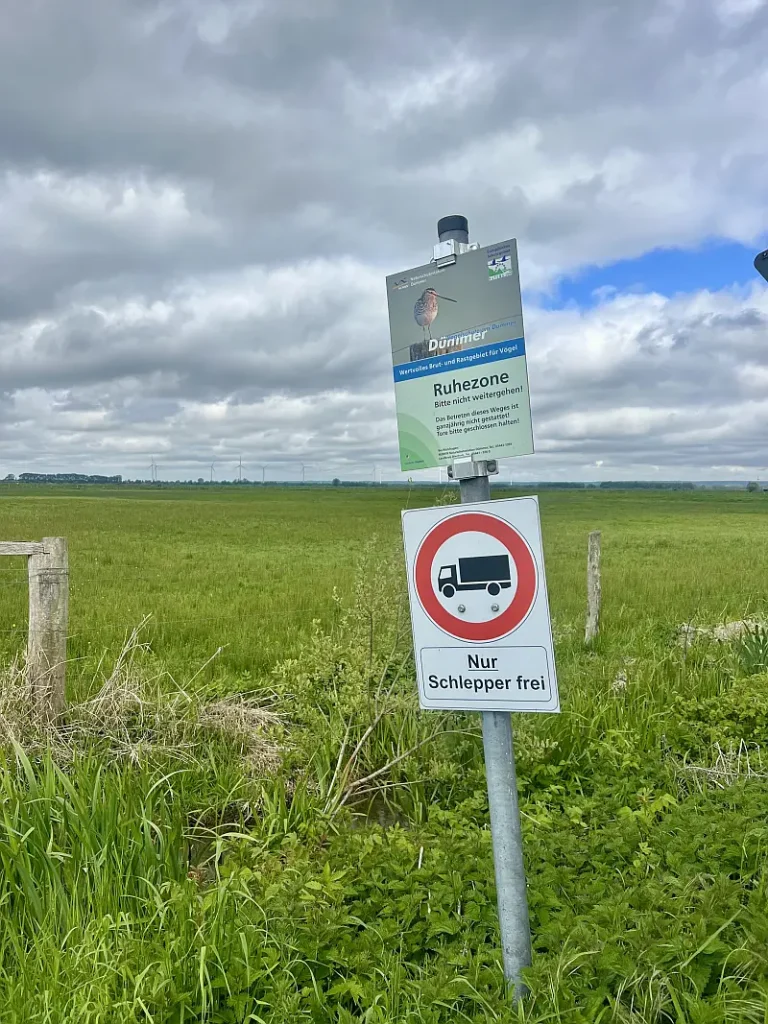
One of the most remarkable things about Dümmer is how closely people and wildlife coexist. Roads run directly through sensitive breeding areas and Godwits may nest just metres from passing cars, cyclists and walkers. Nearby villages such as Hüde and Lembruch have seen growing tourism and interest in birdwatching, bringing people much closer to the bird life.
The intensity of management at Dümmer is not intended as a blueprint for wider wader recovery, it is not possible to replicate it at scale across working landscapes, but it does show what can be achieved through long-term, focused conservation. It is also a reminder of how much effort recovery now requires. Wet meadows, water control, delayed hay cuts and sustained predator management all depend on ongoing intervention, funding and cooperation. Dümmer demonstrates that meadow bird recovery is still possible in modern Europe, while also revealing just how intensive and resource-demanding that work has become.