
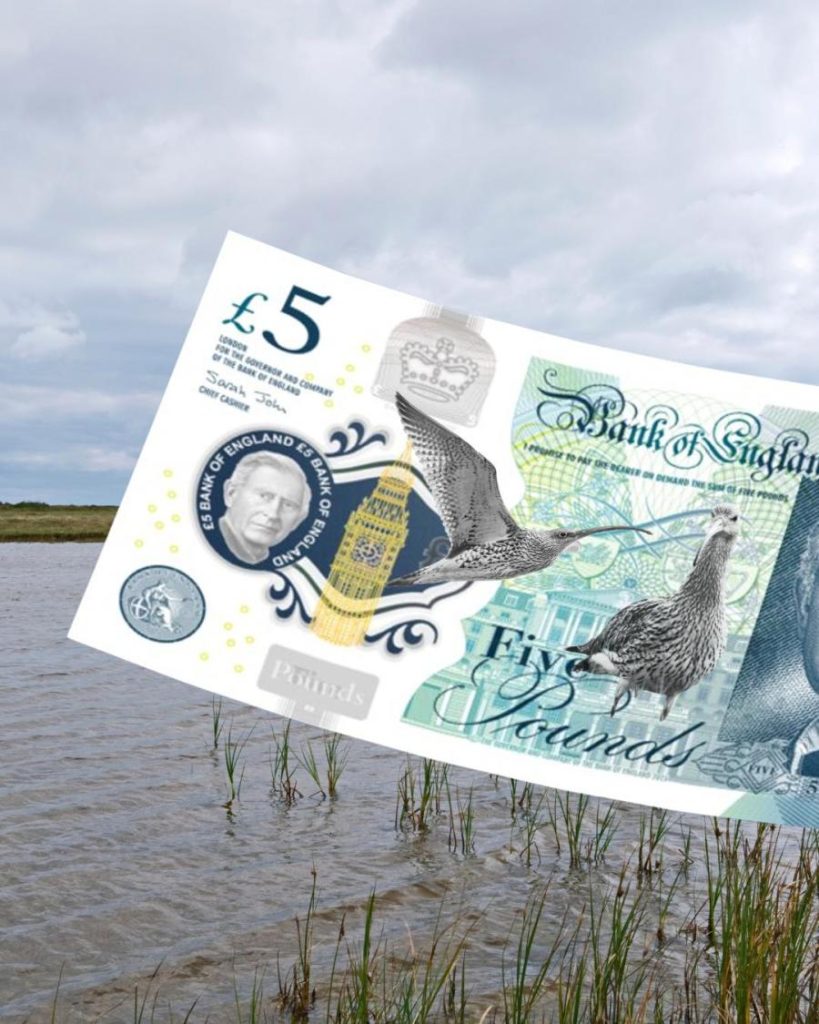
You might have heard the news that the Bank of England has opened the public vote to decide which species will feature on the new £5, £10, £20 and £50 bank notes. The species are split into three categories and two species per category can be selected in the vote.
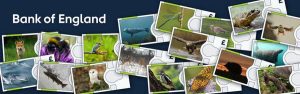
The groups and the species you can vote for (two per group):
Group 1: Mammals
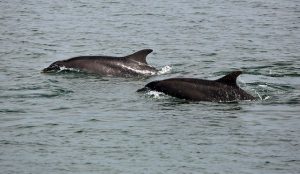
- Bottlenose Dolphin
- Brown Hare
- European Hedgehog
- Grey Seal
- Pine Marten
- Red Fox
Group 2: Birds
- Atlantic Puffin
- Barn Owl
- Common Kingfisher
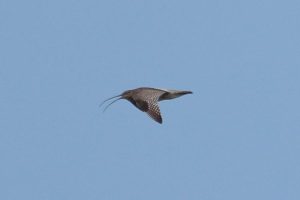
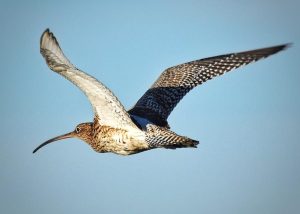
- Eurasian Curlew
- Great spotted Woodpecker
- White-tailed Eagle
Group 3: Amphibians, insects & fish
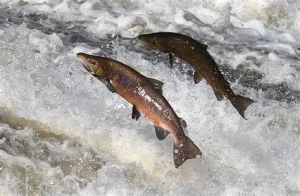
- Atlantic Salmon
- Basking Shark
- Buff-tailed Bumblebee
- Common Frog
- Emperor Dragonfly
- Marsh fritillary Butterfly
The Bank of England’s public vote on which species should feature on future bank notes is, on the surface, a great initiative, a chance for national participation and getting the public speaking about British species. But from where we at Curlew Action are standing, it’s also a rare chance to do something that is genuinely meaningful for a species in big trouble.
At Curlew Action, we have one obvious winner who we would love to see on the new notes, no prizes for guessing which one.
The Eurasian Curlew is one of the UK’s most iconic birds and yet, despite being such a remarkable species, its population has been falling at an alarming rate for decades. It’s not a slow decline, it’s plummeting towards local extinction in some parts of the UK, including Wales. In 2015, Curlews were added to the UK Red List of highest conservation concern. In Northern Ireland, population numbers have dropped by 82% since 1987.
So when the Bank of England announced a public vote to decide which species gets immortalised on currency and we heard Curlews had made the shortlist, we saw more than a design decision. We saw a once in a generation spotlight opportunity. And frankly, the Curlew has been waiting politely in the corner of the British public’s consciousness for far too long, occasionally clearing its throat, hoping someone will notice.
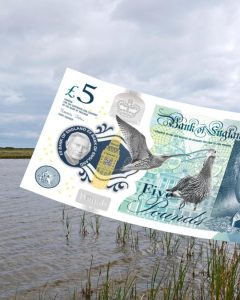
Why are we so bothered about seeing our favourite bird on a bank note? Because visibility matters. Conservation isn’t just about habitat management and policy papers It’s also about having a strong presence in the public eye. If people don’t see a species, they forget it exists. And if they forget it exists, it becomes much easier for it to quietly disappear. A Curlew on a bank note wouldn’t just circulate financially, it would be circulated socially. It would end up in wallets, birthday money given to grandchildren, and paying with cash in cafes for your coffee. Suddenly, the Curlew would be everywhere in our society.
Of course, we at Curlew Action are under no illusion that a bank note will magically reverse population decline. But public awareness is just the beginning. It influences funding. It influences policy. It influences whether people care enough to act. And loving something, inconvenient as it is, tends to be the first step in saving anything.
There’s also something fitting about the Curlew appearing on money. After all, conservation often comes down to what we’re willing to invest. And here is a chance to invest not just funds, but attention.
So yes, we are campaigning for the Curlew. Not just because it is the loudest voice in the marshes, or the most iconic bird in Britain, but because it is one of the most urgent and because it deserves to be seen in places that the general public will stop and notice.
If a bank note is going to travel through every pocket in the country, it might as well carry a reminder of what we stand to lose and what we still have time to save.
Visit the Bank of England website to cast your vote before 3rd July.