Curlew Action

admin
A photo of a wetland under a blue sky.

Our favourite wetlands

In celebration of World Wetlands Day (2 February), David Gray and the Curlew Action team share their favourite UK wetlands: Holme Dunes National Nature Reserve, Norfolk Chosen by: David Gray, Patron of Curlew Action I’ve been a regular visitor to the North Norfolk Coast for the last 30 years, so if I had to pick

Our favourite wetlands Read More »

The logo for World Curlew Day, including text: 'World Curlew Day. April 21' and a silhouette of a Curlew, and green leaves

World Curlew day

Sometimes it helps to set aside a day to shine a light on something important, and for a number of reasons I chose April 21st for World Curlew Day. It happens to be the birthday of my environmental hero, John Muir, who was born in 1838. It is the average first laying date for curlews

World Curlew day Read More »

General Socials (Facebook Post (Landscape)) (3)

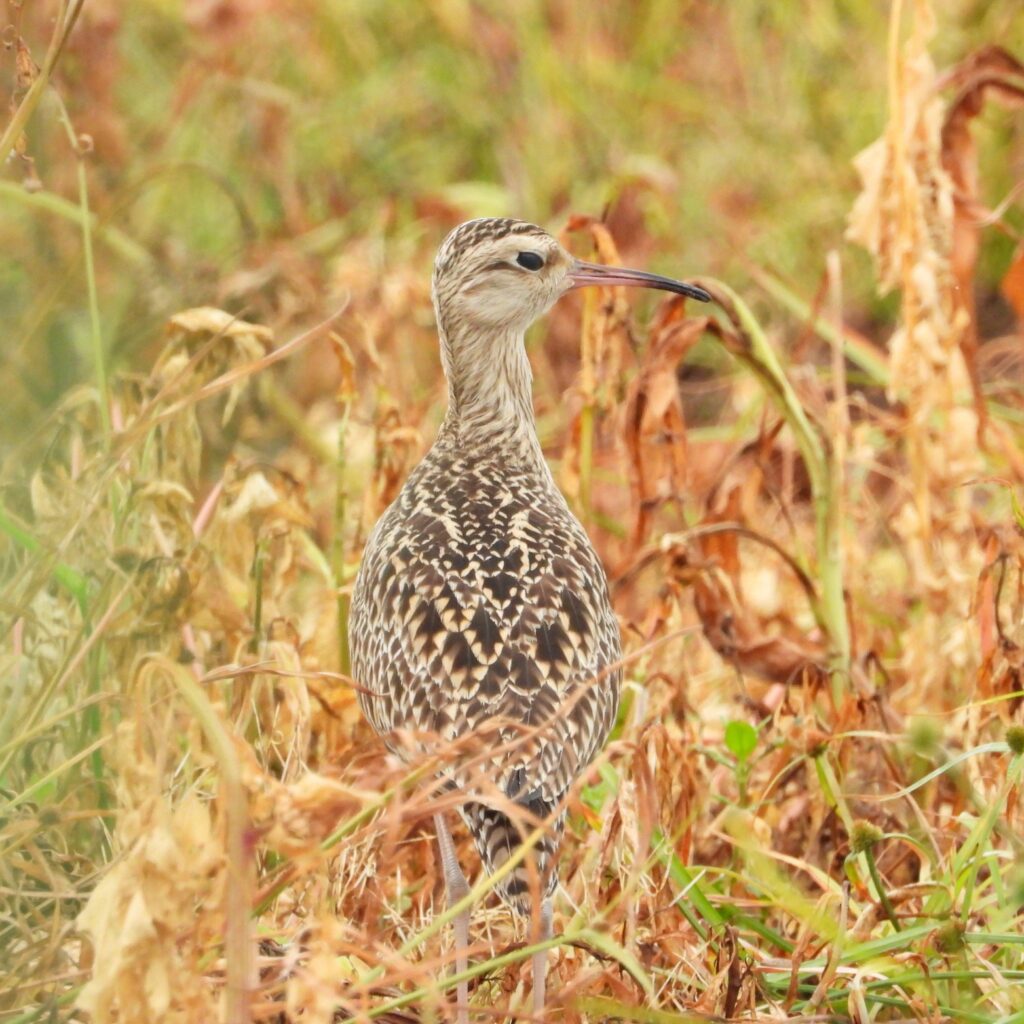
Little curlew

The aptly named Little Curlew (Numenius minutus), is the smallest of the Curlew species.  Its long neck and upright posture give it an elegant appearance as it walks through the grasslands it inhabits on its slender blue-grey legs. Its upper body is speckled with buff, brown and black feathers, whilst its lower body has a

Little curlew Read More »

Far Eastern Curlew

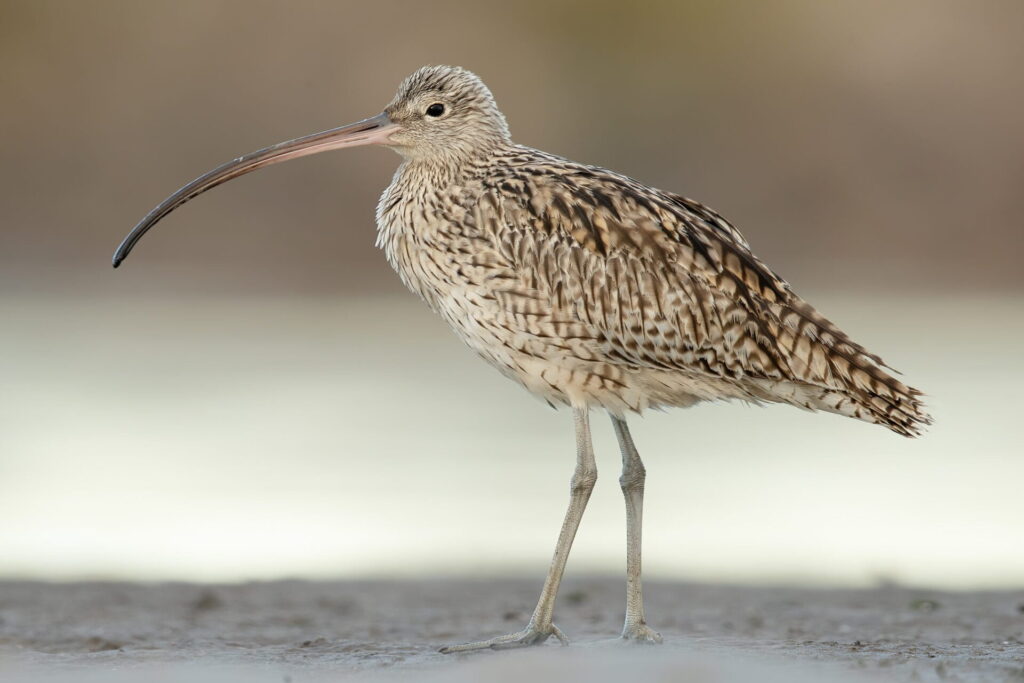
Far-eastern curlew

The Far-Eastern curlew, Numenius madagascariensis, is the largest migratory shorebird in the world. Its iconic curved bill is well known across the many countries that span the East Asian and Australasian Flyway. Its famous call is similar to that of the Eurasian curlew, but noticeably deeper in tone. Despite its status as a well-loved bird

Far-eastern curlew Read More »

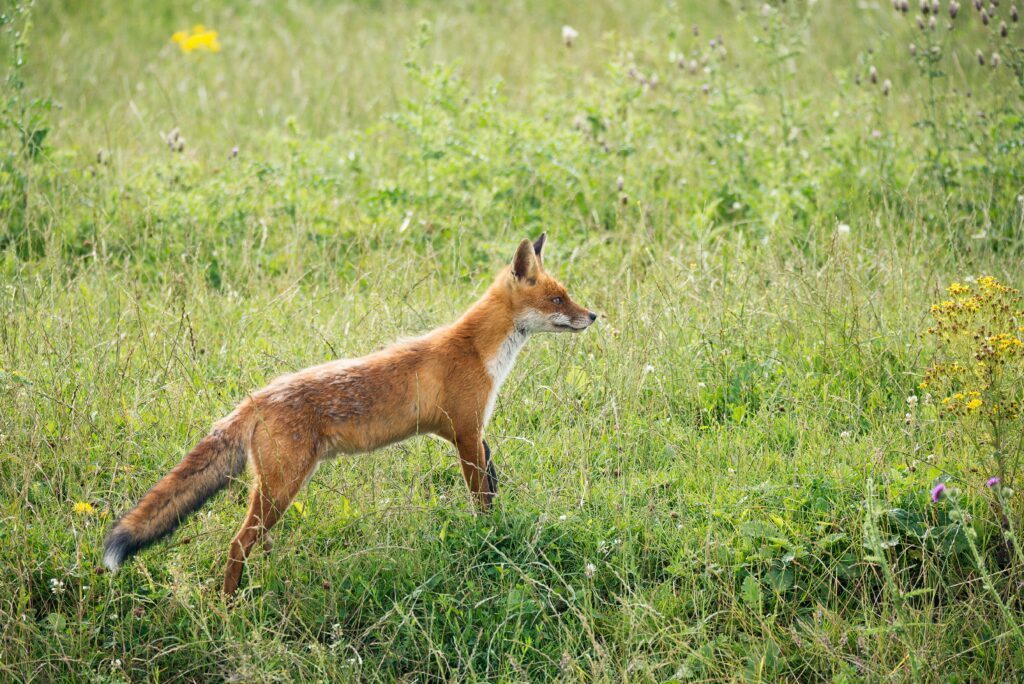
Photo of a fox.

Foxes and game birds

In October 2022, we held a webinar on Curlews and Predators. The predation of Curlew eggs and chicks is one of the leading causes of the species’ decline. It is an emotive and complicated topic to discuss, but it is important these discussions are held so that we can get closer to the solution of

Foxes and game birds Read More »

Curlew Moon chapter 12 Curlew Pair 1 768x676

Curlews in Literature

Written by Charlotte Varela. Illustration by Jessica Holm. From lapwings in Emily Brontë’s Wuthering Heights to the titular raven in Edgar Allen Poe’s The Raven, birds have long acted as inspiration for literature. Some are used to evoke a sense of freedom and wildness while others are an ill-omen, foreshadowing tragedy. The curlew, however, has long evoked a

Curlews in Literature Read More »

Stephanie Smith

A Curlew Education

Written by Steph Smith. Please be gentle, this is my first “Blog” and  I am completely out of my comfort zone!!!! My relationship with Curlews began early, through my dad. My dad, by his own admission was not the most academic of men, but he had taught me to skin a rabbit, catch and clean a

A Curlew Education Read More »

Curlew chick Brookshill Marsh resized

The Future for Curlews

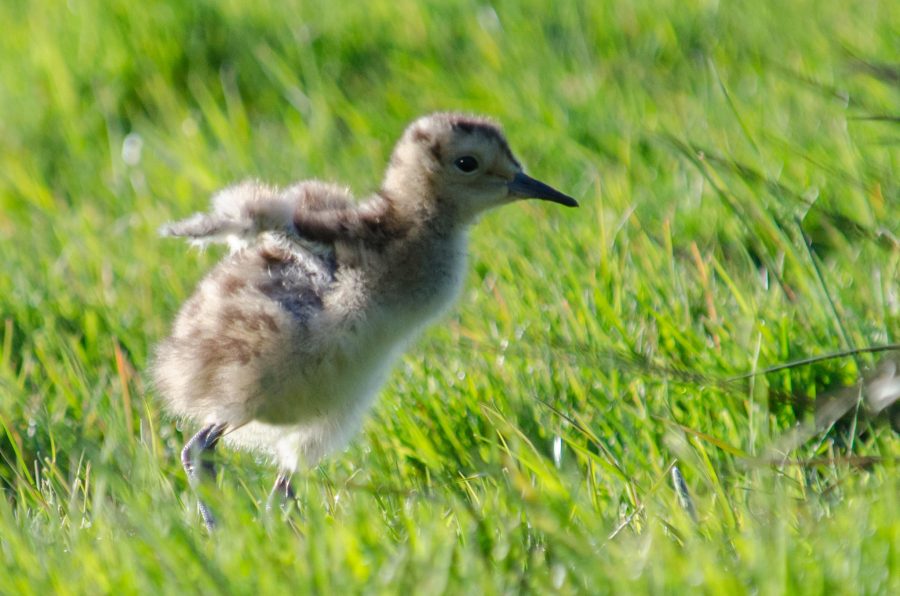
Written by Ellie Martin, 2nd year BSc (Hons) Zoology student at Hartpury University Four years ago, the Eurasian Curlew (Numenius arquata) was deemed near threatened on the IUCN Red List (2017), and even then, populations were seen to be decreasing. It is hard to know the current status of Curlews due to a lack of recent

The Future for Curlews Read More »

Two boys in a woodland looking at the ground and a clipboard

Creating future naturalists: why is natural history education so important?

Written by Chris Platt. Natural history covers so many walks of life ranging from science, to community engagement, to wellbeing. It branches into every part of our lives and affects the delicate balance of the natural world. It’s for this reason that the need to educate people about natural history and conservation is so important.

Creating future naturalists: why is natural history education so important? Read More »

Scroll to Top