
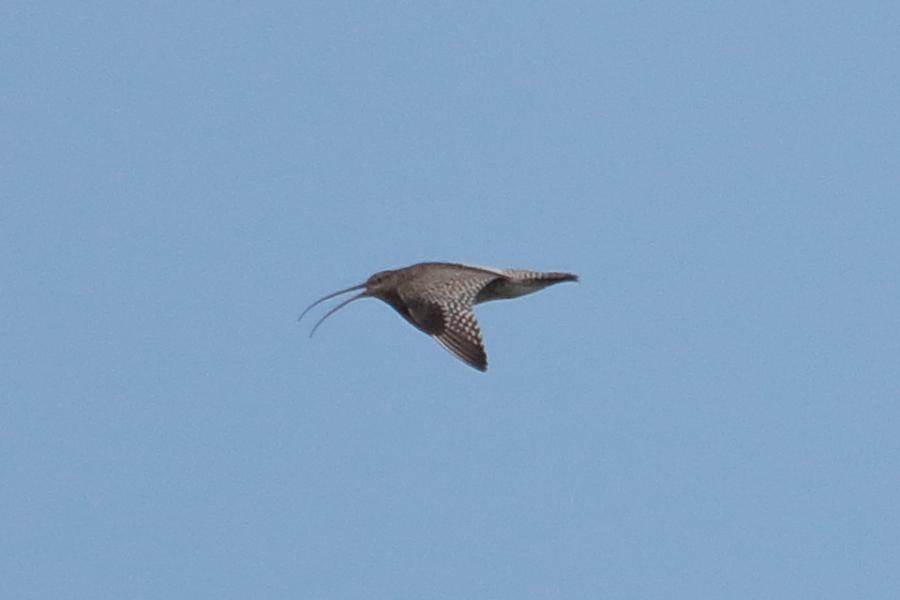
Curlews and Rewilding
Few subjects in modern conservation generate as much passionate discussion as rewilding. It is a conversation that matters because it asks fundamental questions about how we restore nature, how much we intervene, and what kind of landscapes we want to leave for future generations.
Recently, I received thoughtful and challenging comments about Curlew conservation and its relationship with rewilding. The exchange reinforced something important – those of us involved in these debates often agree far more than we disagree.
Everyone I know working in Curlew conservation is strongly supportive of large-scale nature restoration. The UK desperately needs healthier ecosystems, more space for wildlife and greater opportunities for natural processes to shape the land. The ambition behind rewilding is one that many conservationists share wholeheartedly.
Where differences sometimes emerge is in how we respond to the immediate crises facing particular species. Some suggest that species-focused conservation has contributed to the fragmented landscapes that now require rewilding. To me, the opposite seems true. The need for rewilding has arisen because of decades of agricultural intensification, habitat loss, development, inappropriate forestry, infrastructure expansion, pollution and many other pressures that have steadily reshaped our countryside. Species recovery projects have generally been attempts to slow or reverse those losses rather than be at the root of the problems. Indeed, I have never visited a landscape managed for Curlews that benefited only Curlews. Wherever efforts are made to restore habitats for breeding waders, a host of other plants and animals tend to benefit alongside them.
For that reason, I have never viewed species recovery and rewilding as competing philosophies. Both have an important role to play. We need large-scale habitat restoration and more room for natural processes, but we also need targeted action for species that are disappearing now. It is not a choice between one approach or the other. In reality, the most effective conservation will often combine elements of both.
Curlews themselves occupy an interesting place in this discussion. Like many people, I recognise that countless species are in trouble and deserve attention. Curlew Action and the Curlew Recovery Partnership exist because Curlews were identified as one of the UK’s highest conservation priorities and because, until recently, no organisation was dedicated solely to their recovery. If others feel the same passion for different species, then similar initiatives should definitely be welcomed and encouraged.
Yet Curlews do possess something unusual, they occupy a special place in our cultural imagination. Their haunting calls, striking appearance and association with wild landscapes resonate deeply with many people. They provide a safe and accessible gateway into the often complex world of conservation. In that sense, Curlews act as ambassadors for the wider natural world.
Conservation has always relied on such ambassador species. Whether it is Giant Pandas, Puffins or Hedgehogs, certain animals help people form emotional connections with nature. Through those connections comes a greater understanding of the ecosystems upon which countless other species depend. At a time when many people are becoming increasingly disconnected from the natural world, that ability to inspire wonder, concern and action is enormously valuable. Saving Curlews is not simply about saving Curlews; it is also about encouraging a broader engagement with nature itself.
Curlews also shine a light on a wider challenge. Most Curlews breed on farmland that is not primarily managed for nature, and farmland covers around 70% of the UK. If we are serious about reversing biodiversity loss, we cannot focus solely on protected sites and nature reserves. We must also find ways to restore nature within the working landscapes that dominate our countryside. Curlews are therefore not a distraction from broader environmental issues, they are a lens through which those issues become clearer.
This inevitably leads us into difficult questions about land management. Much of Britain’s wildlife heritage is associated with open habitats. In many areas, if land is left entirely alone, it will gradually develop into scrub and woodland. For some species, that is highly desirable. For others, including Curlews, Lapwings and Golden Plovers, it can mean the loss of the openness upon which they depend. In a country as small, crowded and heavily modified as the UK, conservation often involves choices and trade-offs. Those decisions are rarely straightforward and are best approached collaboratively rather than ideologically.
The same is true of predation. There is now a substantial body of scientific evidence showing that some generalist predators occur at densities that make successful breeding extremely difficult for ground-nesting waders in many landscapes. Whether we are comfortable with that reality or not, it is one that conservationists cannot simply ignore. It is a challenging subject, often emotionally charged, but it deserves open and honest discussion rooted in evidence and guided by a shared desire to restore wildlife.
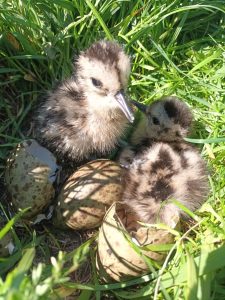
Grouse moors provide another example of where nuance is needed. I would never want Curlews to be used to justify poor or illegal environmental practices. Equally, it is important to acknowledge where positive outcomes occur and to understand why. In some well-managed moorland, Curlew breeding success is demonstrably higher than in many other areas. Recognising that fact is not the same as endorsing every aspect of grouse moor management, and it certainly doesn’t condone illegal or damaging activities, it is simply an acknowledgement of evidence and an opportunity to ask what lessons might help Curlew recovery elsewhere.
Ultimately, my concern is preventing the loss of a species that is declining rapidly across much of its range. Rewilding will undoubtedly form part of the long-term solution wherever it is appropriate and possible, and I am genuinely interested in understanding how it can contribute to Curlew recovery. But the situation facing Curlews is now so serious that we have a responsibility to use the tools we know can help while continuing to explore and test new approaches. Waiting for future solutions, however appealing, risks losing populations that may never return once they disappear.
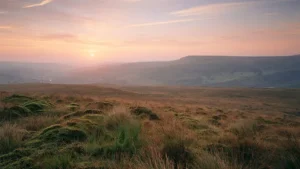
The encouraging reality is that most people engaged in these debates want the same thing – a richer, more abundant natural world. We may approach that goal from different angles, but the destination is shared. The challenge is not choosing between rewilding and species recovery. It is finding ways for them to work together.
Thank you to Professor Ian Newton and The Curlew Recovery Partnership for their helpful comments.