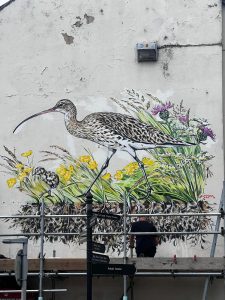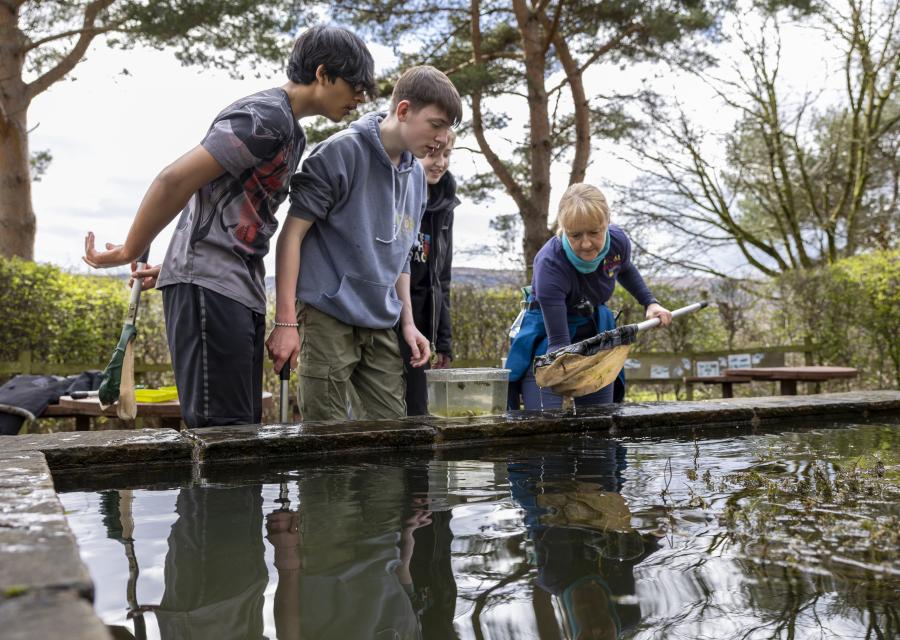
Most people have welcomed the forthcoming GCSE in Natural History, but there are critics, most notably Mya-Rose Craig. The issue is not nature education in principle, but inequalities in access to nature and the need to address existing social and racial disparities within the environmental sector. Mya-Rose argues that, unless these barriers are addressed, the GCSE could benefit those who already have opportunities to engage with nature more than those who do not. These concerns deserve to be heard. Access to nature is not equal, and many young people face barriers that others do not. But I believe this is precisely why we need the GCSE.
One of the main objections is that students from wealthier backgrounds, or those living close to nature-rich landscapes, will benefit more than those in urban or deprived areas. There is a fear that a qualification centred on the natural world could favour those who already have opportunities to visit national parks, nature reserves and the countryside. Yet this misunderstands what nature education can and should be, and indeed represents a narrow view of where nature is found.
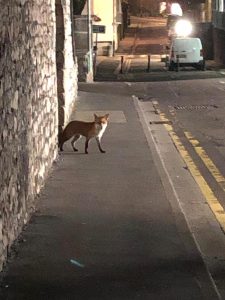
Wildlife is not confined to national parks or picturesque nature reserves; it exists everywhere. It can be found in city parks, along rivers and canals, in school grounds, on housing estates, in gardens, churchyards, roadside verges and even in cracks in the pavement. Some of the most fascinating wildlife stories unfold in the places where people live their everyday lives. You do not need access to a national park to experience wonder or to explore the natural world with a curious and engaged mind.
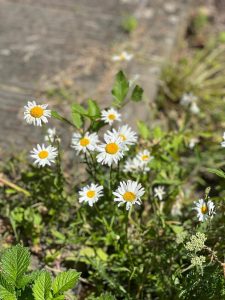
I live right in the centre of Bristol; it would be hard to be more urban than where I am. Yet I see many species of birds, flowers growing in verges, street trees, local parks and a wide variety of gardens. I may not have eagles, dolphins, puffins, ancient oaks or a great diversity of butterflies on my doorstep, but I do have access to wildlife that inspires awe and curiosity. It is wrong to suggest that there is no nature worth noticing in urban spaces. As most of us now live in towns and cities, this is precisely the wildlife we should celebrate and be proud of.
Of course, improving access to nature remains essential. We need more green spaces, better public transport to nature reserves, greater diversity within conservation organisations and more opportunities for underrepresented communities to engage with the natural world. These goals matter enormously, and Mya-Rose has done a great deal to highlight them and encourage different communities to get involved. However, I do not believe these concerns are arguments against a Natural History GCSE.
We can improve access to nature and teach natural history in schools. We can work for greater diversity in conservation while giving young people the opportunity to study the natural world. These aims complement one another rather than compete.
You could make a similar argument about Music, English Literature or Art, all of which benefit from access to books, instruments, galleries, performances and other cultural opportunities that are not distributed equally. Yet we recognise the value of teaching these subjects and strive to make them more accessible, rather than abandoning them altogether.
At a time when biodiversity is declining, environmental literacy is urgently needed and many children spend less time outdoors than ever before, it seems strange to search for reasons not to teach nature.
The Natural History GCSE is not a perfect solution to every challenge facing environmental education. No single qualification could be. But it is a positive step forward, one that has the potential to inspire curiosity, build knowledge and strengthen connections with the living world.
Everyone who cares about the natural world wants more people to understand, value and protect nature. My hope is that the Natural History GCSE will become one more tool to help achieve that goal and that it will only strengthen Mya-Rose’s wonderful work, not harm it. I believe it will.