
Konic ponies on the RSPB Insh Marshes Reserve, Scottish Highlands, photo by Thijs Claes
UK visits
Alongside our pioneering work improving connections and communication between Curlew projects across Europe, Curlew Action of course focuses very centrally on conservation here in the UK.
On this page you can learn about some of the field visits we've made in the UK to Curlew conservation projects, as well as to Curlew nesting and feeding sites.
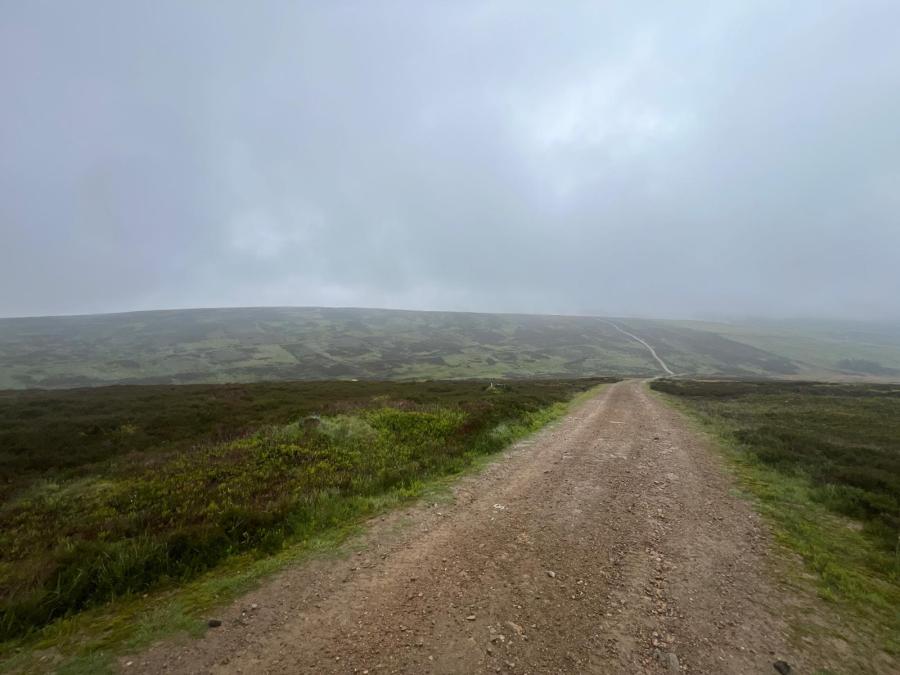
Glenogil Estate
Heading south from Insh Marshes, our Scottish tour next takes us to two grouse moors: the Rottal and Glenogil Estates. We visit them on consecutive days to learn more about how Curlews are faring on grouse moors in Scotland, a managed habitat which, in England, is known as one of their last strongholds. Our main takeaway from these two visits is that, […]
Rottal Estate
By Flo Blackbourn Heading south from Insh Marshes, our Scottish tour next takes us to two grouse moors: the Rottal and Glenogil Estates. We visit them on consecutive days to learn more about how Curlews are faring on grouse moors in Scotland, a managed habitat which, in England, is known as one of their last strongholds. Our main takeaway from these two […]
RSPB Reserve – Airds Moss
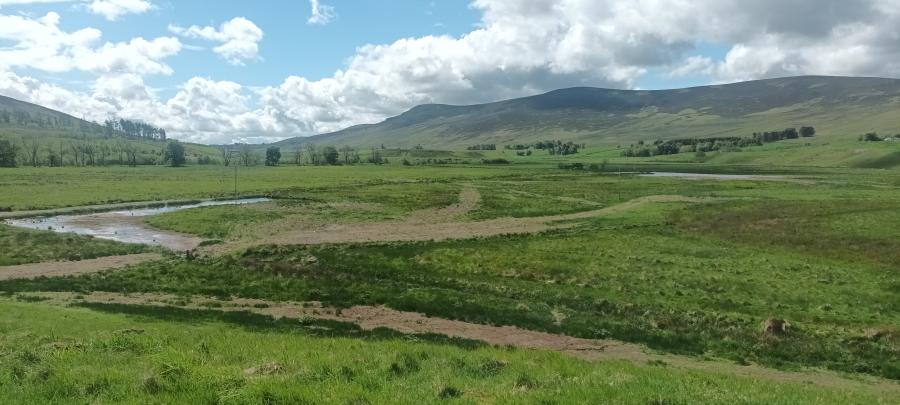
Before us lay a vast sweep of peatland beneath a heavy Ayrshire sky. It isn’t wilderness in the true sense but an interweaving mosaic of blanket bog, moorland, wet grassland and grazed fields, shaped by the weather, water and human use. At first glance it seemed unassuming, but its purpose quickly became clear, to support wildlife, and especially the breeding waders for which it has become so important. The reserve lies in East Ayrshire, between Cumnock and Muirkirk, where the […]
The Future of Curlews – A Conversation with David Jarrett from the BTO
It was a pleasure to catch up with David Jarrett from the British Trust for Ornithology in Scotland and explore how his thinking has evolved since we last met more than two years ago. David combines scientific rigour with a genuine passion for Scotland’s uplands and wader populations. Thoughtful, analytical and always open to debate, he is helping to […]
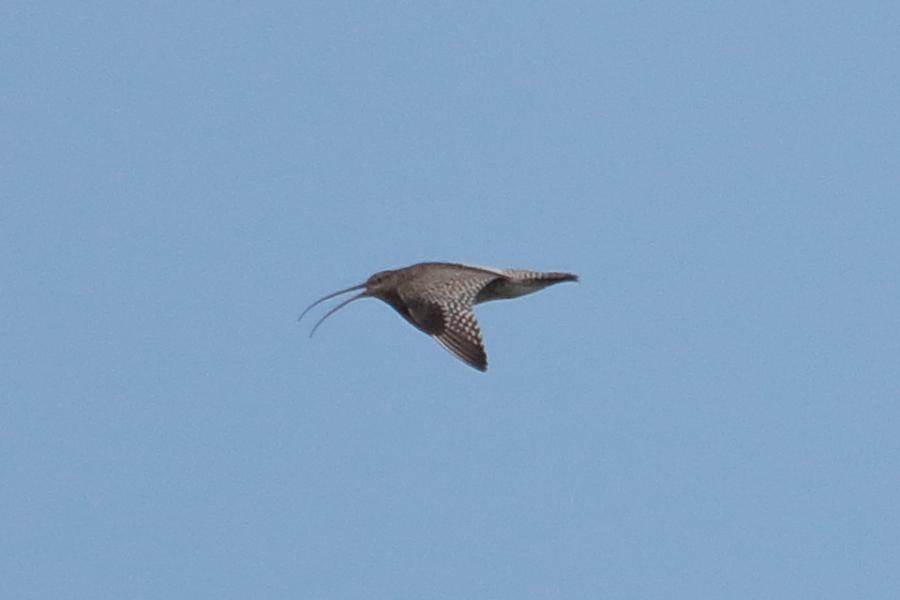
Curlews & Rewilding
Curlews and Rewilding Few subjects in modern conservation generate as much passionate discussion as rewilding. It is a conversation that matters because it asks fundamental questions about how we restore nature, how much we intervene, and what kind of landscapes we want to leave for future generations. Recently, I received thoughtful and challenging comments about Curlew conservation and […]
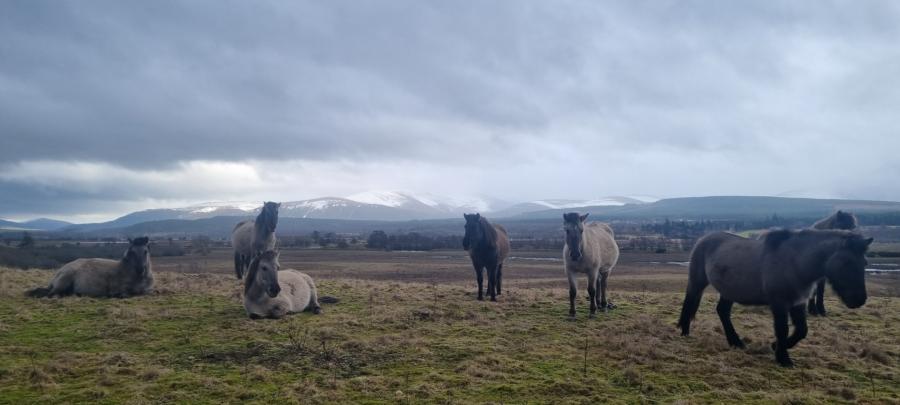
A Visit to Insh Marshes
A Visit to Insh Marshes If I were a Curlew, I’d choose here – as many do, listening to the calls echoing all around. Standing on a viewing point above the western end of the RSPB’s Insh Marshes reserve, Thijs Claes, Estate Operations Manager, and Colin MacLennan, RSPB volunteer, described their hopes for this remarkable landscape. The western end of the RSPB Insh Marshes The wide floodplain stretched away on either side of us, […]