
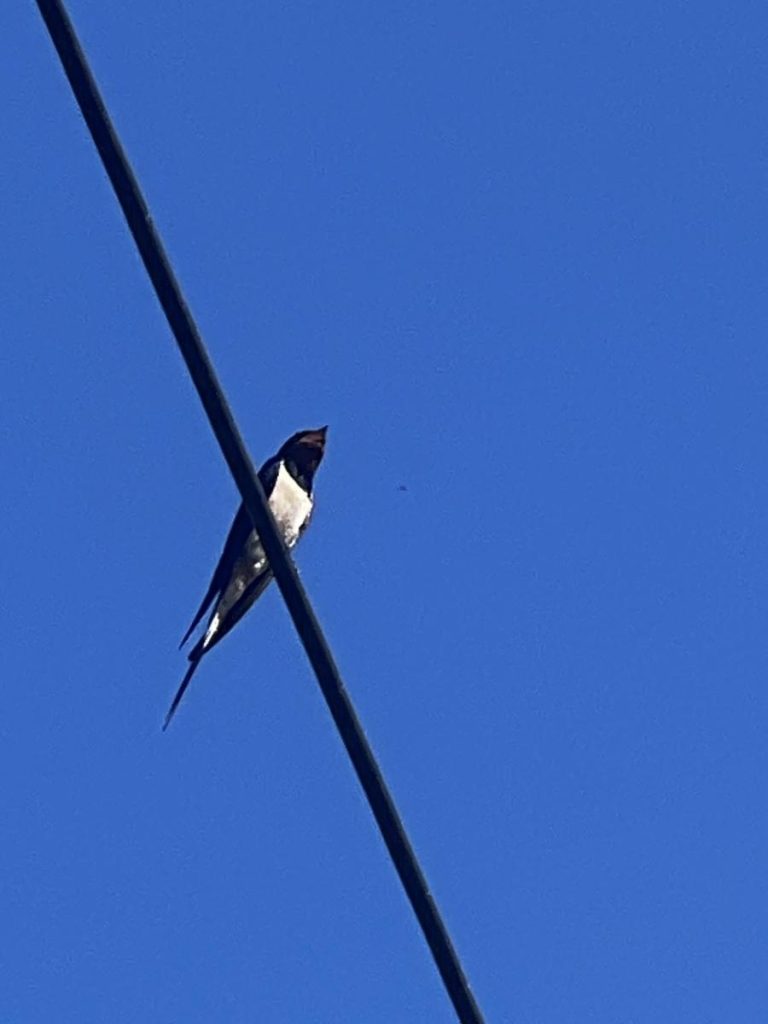
I want to begin with a swallow, a butterfly and a frog.
So often now, we see these creatures through the lens of a problem: climate change, pollution, declining populations, changing land use. Before we have even looked closely, the animals have become evidence of something going wrong.
That is true, but it isn’t the whole story – by always focusing on the issues, we risk losing sight of the creature itself: a whole, beautiful, fascinating being, with its own life to lead.
Recently, I met Matthew Capper, the leader of a Young Rewilders club in Lincolnshire that takes youngsters into the grounds of Doddington Hall to learn about wildlife. He told me that most of them arrive at the site as environmentalists rather than naturalists. They care deeply, but their concern is based on anxiety about the planet. It takes time for them to settle, look closely and become absorbed in the wildlife around them.
But when they do, he describes a remarkable transformation. Where there had been so much worry, there is enchantment and fascination. They begin to discover the joy of knowing other lives that are different from their own, that speak of other relationships and interactions – and that there is life outside humanity.
That has been my vision for this GCSE from day one.
Species are like sparkling jewels scattered across the landscape. Each has a story to tell: how it feeds, where it travels, how it survives the winter, what it needs from the lives around it. When we stop to watch, listen and learn, the world becomes a place of relationship, love and wonder. It doesn’t happen quickly; it takes time, effort and dedication. But it will happen, and it will change lives.
The problems remain, of course, but we meet them with greater understanding and with something precious to care for.
Wonder draws us into attention. Attention deepens our knowledge. And that knowledge helps us make better decisions.
We learn to ask what already lives in a place before planting trees there. We recognise the life in a wildflower meadow before choosing it for solar panels. We take nature into account when designing houses; we look carefully at investments. We understand birds’ movements when deciding where wind turbines should go.
We can think about both the urgent problem and the consequences of our response. We can bring care for nature into the decisions we make. That is not a nicety; it is essential. Without thriving wildlife, we cannot hold the line: the systems of life unravel – and, as always, a poet says it better. In The Second Coming, W. B. Yeats writes, “The falcon cannot hear the falconer; Things fall apart; The centre cannot hold.”
We are at a vital point in the development of this GCSE. It would be easy to fill it with all the concerns of the world – climate change, mental health issues, sustainability and so on. Those concerns are real, and young people deserve to understand them. But they also deserve time outdoors, the pleasure of recognition and the chance to become absorbed in something beyond themselves. They deserve the opportunity to think, wonder, listen and make connections.
My plea is to keep wildlife at the heart of this qualification: the species, the details, the relationships and the joy and wonder.
If we lose that, we risk creating a GCSE in young people’s worries.
If we hold the vision steady, we could help awaken a generation of informed, attentive and caring citizens: people who know the living world, love it, and understand that they share this planet with countless other beings whose lives matter too.
That is an education worth giving.